
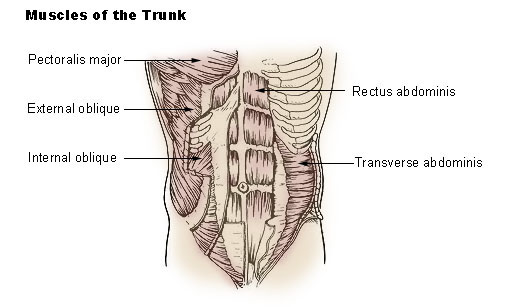
More and more people are beginning to understand the importance of strengthening your core. However, there is still much misinformation out there as to what your core is and what to do to strengthen it.
Doing a set of two of abdominal crunches before you leave the gym is NOT training your core! Your abs are only one small part of your core. Your core consists of any part of your body that helps stabilize your spine or joint. Yes, your joints are included in this!
Don’t worry, it’s not as complicated as it may seem. You don’t need to dedicate two hours multiple times a week to accomplish strengthening your core. There are some simple exercise that will hit multiple areas at once and get you well on your way to strengthening your core.
1. Learn to use free weights!
Doing squats, deadlifts and bench press? Use the barbell or dumbbells instead of machines. The body has to use its core muscles to help stabilize your spine and limbs during these free weight exercises. Make sure you breath properly (breath out during the “sticking point” or contraction and breath in while lowering the weight). Also make sure you consciously activate your core muscles while doing free weight exercises. Do not “suck in” your stomach, push the core muscles to the surface. While doing a deadlift exercise, activate your lat muscles and pushing your shoulders own (don’t let them raise up when you lift). Squeeze your shoulder blades together to activate your upper back muscles and assist in straightening your back. Do these during the entire movement. These simple techniques can strengthen your core and boost your workout and even help burn more calories as you are using more muscles during the exercise.
2. Work your entire midsection!
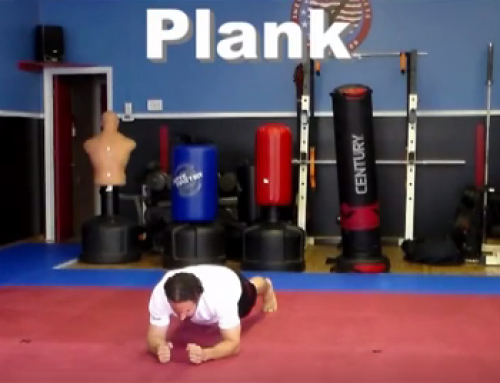
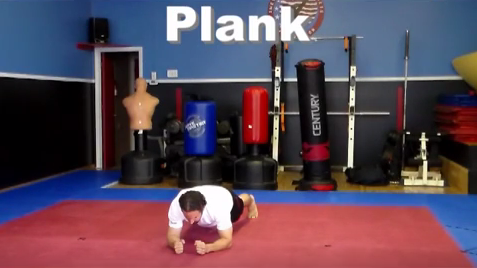
Start with a basic plank. With your stomach down, place your forearms and toes on the ground and keep your body in a straight line looking down between your hands. Don’t let your hips rise up! Hold still! Hold as long as you can! This simple exercise works nearly your entire core!
Yes, do your ab crunches, so long as you do them correctly. Squeeze your entire core and then release, the movement of your upper body isn’t that important. Slightly lift your hips as you do this to activate more abdominal muscles. Keep your chin down, don’t let your head constantly snap back and forth trying to crunch, this will only lead to a sore neck! Want to activate more muscles? Do this same crunch on a stability ball and work towards keeping your feet closer and closer together to work your balance on the ball. Also, move farther and farther back on the ball as you get better, this will increase the resistance on the muscles in order to hold your upper body up rather than resting on the ball. Don’t go
back too far, you’ll fall off!
Focus on the lower back with hyperextensions aka “Supermans”. Lay flat on your stomach, keep your arms at your side. While keeping your legs on the floor, raise your upper body to contract your lower back, then release, then repeat. For more advanced options, move your arms across your forehead, or straight out in front of you to create additional resistance on the muscle. If need be, hold on to light weights.
Side planks. Much like the straight plank, this involves holding your body up in a straight line. The only difference is that you are turned ninety degrees and are on only one arm while your feet (or foot) are down. Make sure and do both sides!
3. Lastly, don’t forget those joints!
While most of your joints tend to get strengthened through normal resistance training, one muscle group gets overlooked, and it’s a crucial one! Especially for those who play sports or live an active lifestyle. They are the rotator cuff muscles, the small muscles that keep the shoulders in place and moving smoothly! There are essentially two motions to work with, inner and outer. The motions involve rotating the arm at the elbow. Instead of a complicated explanation, I’ve provided pictures with brief captions.

Inner Rotation
Inner rotation ““ hold elbow at the ribs, rotate hand inward towards the body.

Outer Rotation
Outer Rotation ““ Hold elbow at the ribs and rotate wrist outward away from the body.

inner rotation 90 degrees
Inner Rotation 90 degrees ““ Hold elbow in place, rotate wrist downward around elbow.

outer rotation 90 degrees
Outer Rotation 90 Degrees ““ Hold elbow in place, rotate wrist upward around elbow.


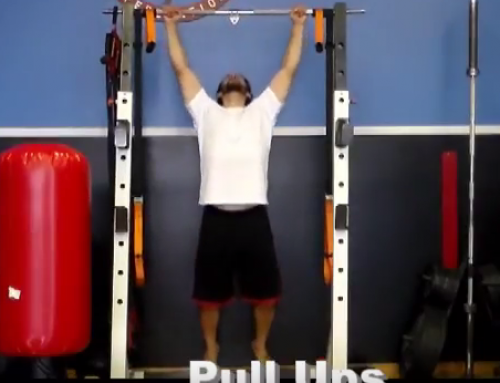
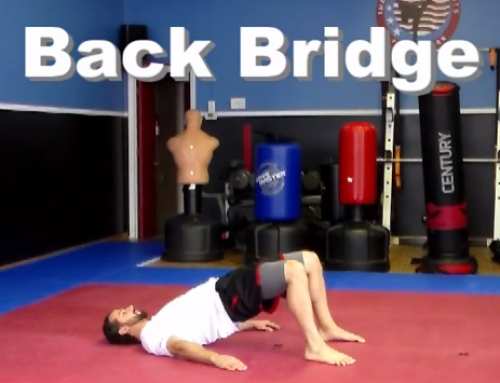

Leave A Comment